




You are here
extractivism
 The Alliance for Global Justice (AfGJ) condemns the preventive incarceration of Gregorio “Goyo” Santos Guerrero, President of the Region of Cajamarca, Peru (analogous to a US governor). Goyo’s election in 2010 was the result of a mass mobilization of the region’s voters. It reflected a popular struggle against the proposed Conga gold mine involving an alliance of miners, teachers, farmers, unionists and indigenous communities. These maintain the gold mine will export not only gold but mega-profits, with little social investment or sustainable economic development. They also point out that the mine’s best jobs are being given to outsiders, while there are few local financial benefits. Cajamarca is the second poorest region in Peru. The Conga mine is a collaboration between the Denver-based Newmont Mining Corporation, Buenaventura (Peru) and the International Monetary Fund. Newmont holds a 51.35% controlling interest.
 Continuing the debate on extractivism in Latin America. Don Fitz says it highlights different views on what type of society we are working to build and how we plan to get there.
 To the rhythms of drums and chants, concerned people took to the streets across 436 cities in 52 countries yesterday. The message was clear: smash Monsanto. With thousands marching from coast to coast, Canada to Argentina, and around the world, the day of protest has emerged as one of the largest global events—and it has only been around for two years. However, more than small hopes for a mandatory labeling of genetically modified products, smashing Monsanto entails a larger transformation of the modern relationship between people and food.
 At its 2002 World Congress, the IUF adopted a wide-ranging resolution on trade and investment committing our organization to vigorously oppose the expanded WTO “Doha Round” agenda and to combat the growing number of bilateral trade and investment agreements as instruments for entrenching and expanding corporate power at the expense of democratic rights and the rights of workers and their trade unions.
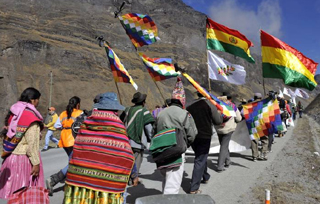 A recent spate of high-profile campaigns against projects based on extracting raw materials has opened up an important new dynamic within the broad processes of change sweeping South America. Understanding their nature and significance is crucial to grasping the complexities involved in bringing about social change and how best to build solidarity with peoples’ struggles.
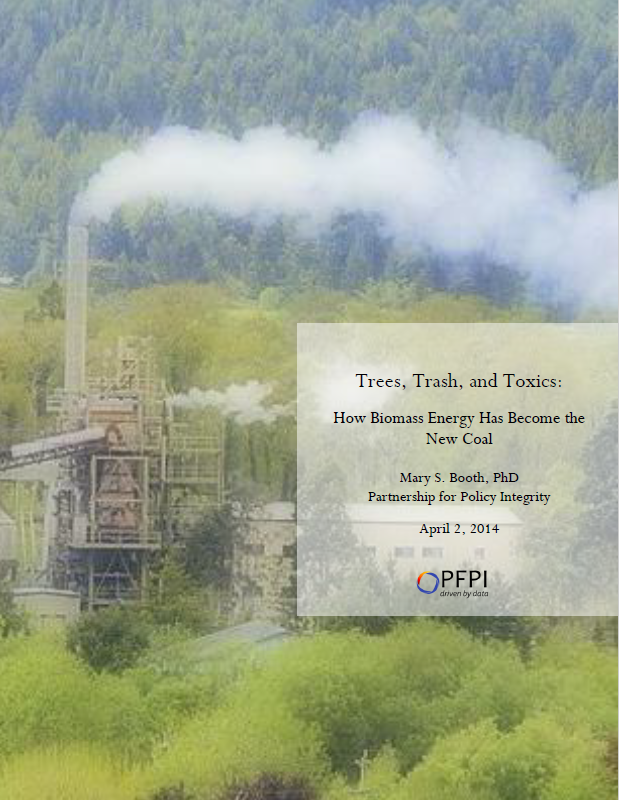 The biomass power industry is undergoing a new surge of growth in the United States. While bioenergy has traditionally been used by certain sectors such as the paper-making industry, more than 70 new wood-burning plants have been built or are underway since 2005, and another 75 proposed and in various stages of development, fueled by renewable energy subsidies and federal tax credits. In most states, biomass power is subsidized along with solar and wind as green, renewable energy, and biomass plant developers routinely tell host communities that biomass power is “clean energy.”
 On Thursday, January 9 a dangerous toxin, 4-methylcyclohexane methanol, leaked from a busted tank and into the Elk River in West Virginia. It is believed that nearly 7,500 gallons of the toxin made its way from the 40,000-gallon tank into the river. It’s unclear how much actually entered the public water supply.
 IMAGINE YOURSELF in the rugged countryside of the Appalachian Mountains, where you and your neighbors have lived with a history of poverty and lack of economic development–and you learn that the water piped into your home has been poisoned and can’t be used, even after it is boiled, until further notice.
The Fine Print I:
Disclaimer: The views expressed on this site are not the official position of the IWW (or even the IWW’s EUC) unless otherwise indicated and do not necessarily represent the views of anyone but the author’s, nor should it be assumed that any of these authors automatically support the IWW or endorse any of its positions.
Further: the inclusion of a link on our site (other than the link to the main IWW site) does not imply endorsement by or an alliance with the IWW. These sites have been chosen by our members due to their perceived relevance to the IWW EUC and are included here for informational purposes only. If you have any suggestions or comments on any of the links included (or not included) above, please contact us.
The Fine Print II:
Fair Use Notice: The material on this site is provided for educational and informational purposes. It may contain copyrighted material the use of which has not always been specifically authorized by the copyright owner. It is being made available in an effort to advance the understanding of scientific, environmental, economic, social justice and human rights issues etc.
It is believed that this constitutes a 'fair use' of any such copyrighted material as provided for in section 107 of the US Copyright Law. In accordance with Title 17 U.S.C. Section 107, the material on this site is distributed without profit to those who have an interest in using the included information for research and educational purposes. If you wish to use copyrighted material from this site for purposes of your own that go beyond 'fair use', you must obtain permission from the copyright owner. The information on this site does not constitute legal or technical advice.
 This site is not the official webpage of the Industrial Workers of the World.