




You are here
extractivism
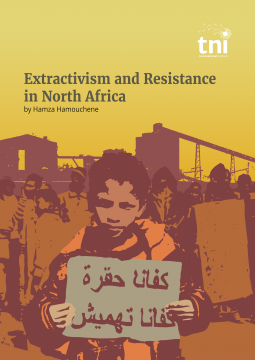 Extractivism as a mode of accumulation and appropriation in North Africa was structured through colonialism in the 19th century to respond to the demands of the metropolitan centres. This accumulation and appropriation pattern is based on commodification of nature and privatisation of natural resources, which resulted in serious environmental depredation. Accumulation by dispossession has reaffirmed the role of Northern African countries as exporters of nature and suppliers of natural resources – such as oil and gas- and primary commodities heavily dependent on water and land, such as agricultural commodities. This role entrenches North Africa’s subordinate insertion into the global capitalist economy, maintaining relations of imperialist domination and neo-colonial hierarchies.
 While the global majority disproportionately suffer the impacts of the climate crisis and the extractivist model, theGlobal North’s legacy of colonialism, the excess of the world’s wealthiest, and the power of large corporations are responsible for these interrelated crises.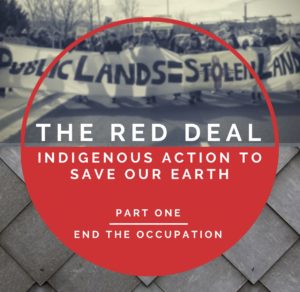
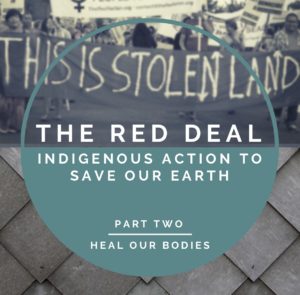

 The Industrial Workers of the World (IWW) have issued a call for support and solidarity with communities in the heart of the Sperrin Mountains who continue object to the poisoning of our environment by Canadian based multinationals, Dalradian Gold Ltd.
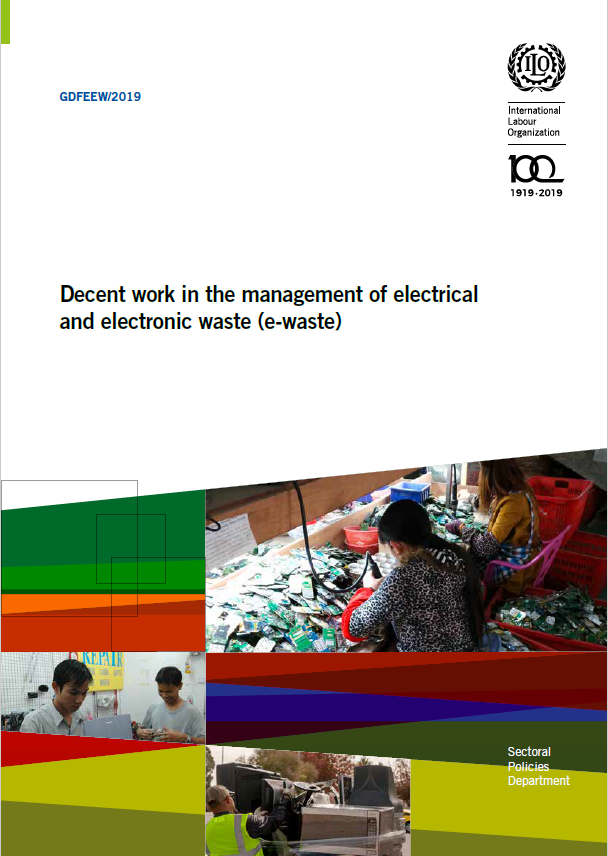 At its 329th Session (March 2017), the Governing Body of the International Labour Office decided that a Global Dialogue Forum on decent work in the management of electrical and electronic waste (e-waste) would be held in Geneva. During its 334th Session (October– November 2018), it decided that the date of the meeting would be 9–11 April 2019 and that all interested governments should be invited. Eight Employer and eight Worker participants would be appointed on the basis of nominations made by their respective groups in the Governing Body, and selected intergovernmental organizations and non-governmental organizations would be invited as observers.
 The present report investigates the early, ongoing, and often surprising role of the fossil fuel industry in developing, patenting, and promoting key geoengineering technologies. It examines how the most heavily promoted strategies for carbon dioxide removal and solar radiation modification depend on the continued production and combustion of carbon-intensive fuels for their viability.
 In much of Latin America, the state does not protect its citizens. This is particularly true for the popular sectors, indigenous peoples, people of color and mestizos, who are exposed to the onslaught of drugs trafficking, criminal gangs, the private security guards of multinational corporations and, paradoxically, from state security forces such as the police and the army.
The Fine Print I:
Disclaimer: The views expressed on this site are not the official position of the IWW (or even the IWW’s EUC) unless otherwise indicated and do not necessarily represent the views of anyone but the author’s, nor should it be assumed that any of these authors automatically support the IWW or endorse any of its positions.
Further: the inclusion of a link on our site (other than the link to the main IWW site) does not imply endorsement by or an alliance with the IWW. These sites have been chosen by our members due to their perceived relevance to the IWW EUC and are included here for informational purposes only. If you have any suggestions or comments on any of the links included (or not included) above, please contact us.
The Fine Print II:
Fair Use Notice: The material on this site is provided for educational and informational purposes. It may contain copyrighted material the use of which has not always been specifically authorized by the copyright owner. It is being made available in an effort to advance the understanding of scientific, environmental, economic, social justice and human rights issues etc.
It is believed that this constitutes a 'fair use' of any such copyrighted material as provided for in section 107 of the US Copyright Law. In accordance with Title 17 U.S.C. Section 107, the material on this site is distributed without profit to those who have an interest in using the included information for research and educational purposes. If you wish to use copyrighted material from this site for purposes of your own that go beyond 'fair use', you must obtain permission from the copyright owner. The information on this site does not constitute legal or technical advice.
 This site is not the official webpage of the Industrial Workers of the World.