




You are here
extractivism
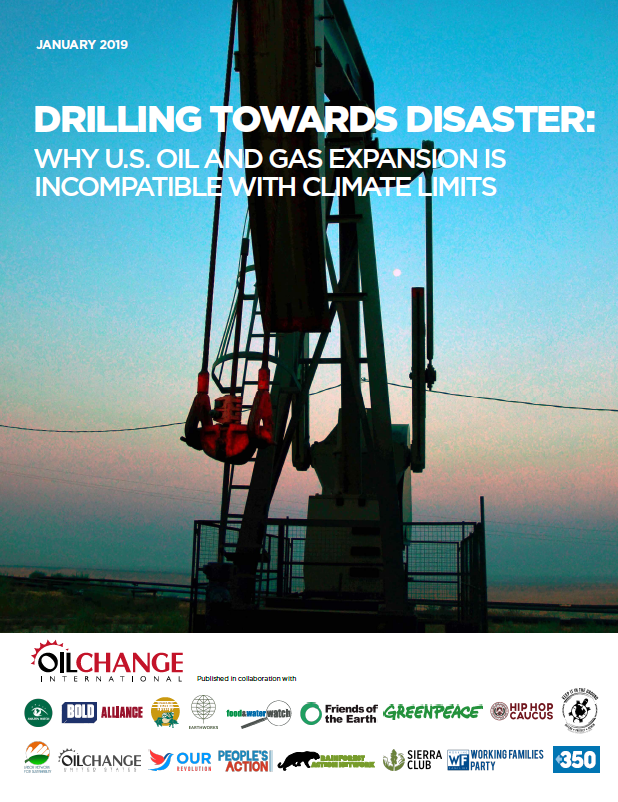 World governments, including the United States, committed in 2015 in the Paris Agreement to pursue efforts to limit global average temperature rise to 1.5 degrees Celsius above pre-industrial levels and, at a maximum, to keep warming well below 2 degrees Celsius (°C). This report is part of The Sky’s Limit series by Oil Change International examining why governments must stop the expansion of fossil fuel production and manage its decline – in tandem with addressing fossil fuel consumption – to fulfill this commitment.
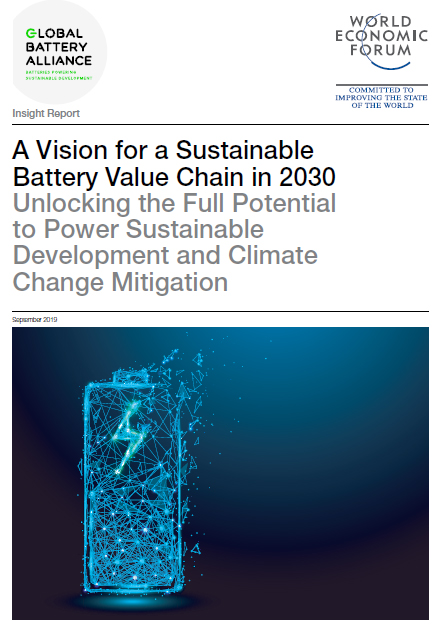 The need for urgent and more intensive actions against climate change is broadly recognized. In support of this agenda, this report presents a simple yet profound vision: a circular, responsible and just battery value chain is one of the major near- term drivers to realize the 2°C Paris Agreement goal in the transport and power sectors, setting course towards achieving the 1.5°C goal if complemented with other technologies and collaborative efforts.
 The global consumption of smart phones and other electronic devices is increasing, and bringing benefits to many people in areas as wide- ranging as health, education, finance and commerce. But there is a downside: the world is now seeing a growing tsunami of e-waste.
 The transition to a 100% renewable energy system is urgently needed to meet the goals of the Paris Climate Agreement and increase the chance of keeping global temperature rise below 1.5 degrees. Renewable energy technologies are now the most cost competitive technologies for new installations – and recent investment in new renewable energy infrastructure globally has been double that of new energy investment in fossil fuels and nuclear.
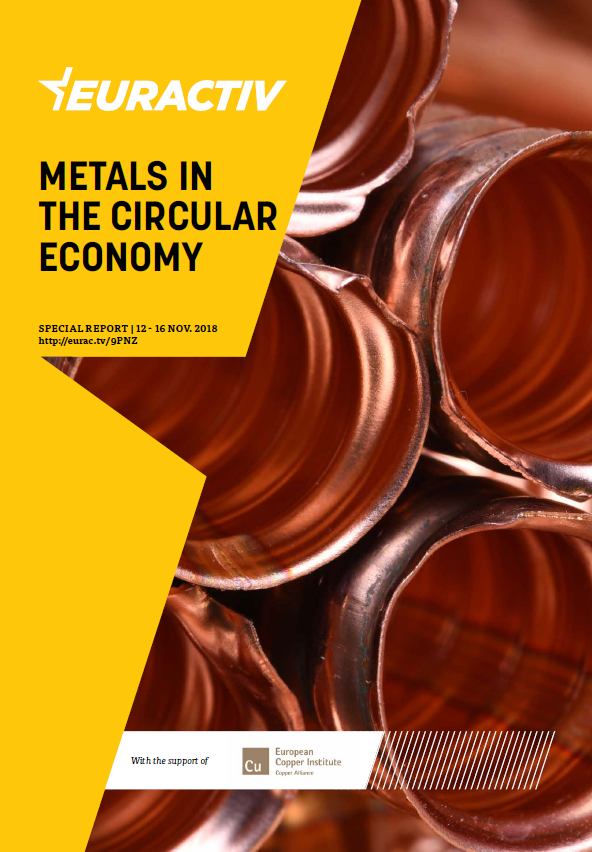 Vanadium, borate, bismuth, gallium – they may sound like planets from a science fiction movie, but in fact they are some of the most critical elements of the European Union’s economy.They are all on the European Commission’s ‘critical raw materials list’.
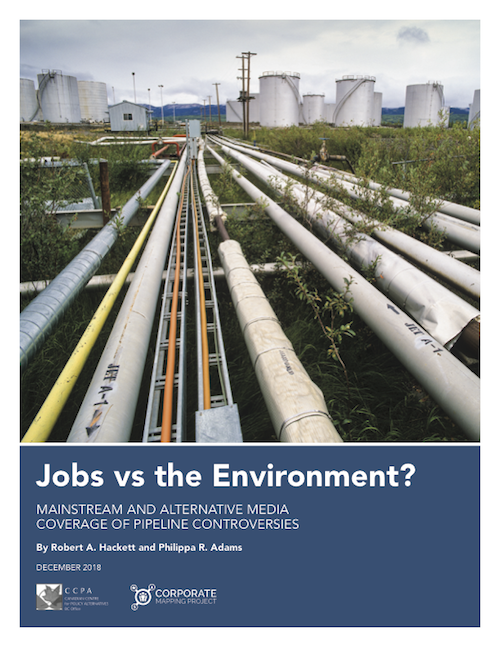 Much of the argument advanced in support of expanding Canada’s fossil fuel production centres on job creation and economic benefits. Politicians, pundits and corporate spokespeople who support fossil fuel infrastructure projects—such as new oil and gas pipelines—often evoke this rhetoric when they appear in the media.
 The mining sector will play a key role in the transition toward a low-carbon future.
The Fine Print I:
Disclaimer: The views expressed on this site are not the official position of the IWW (or even the IWW’s EUC) unless otherwise indicated and do not necessarily represent the views of anyone but the author’s, nor should it be assumed that any of these authors automatically support the IWW or endorse any of its positions.
Further: the inclusion of a link on our site (other than the link to the main IWW site) does not imply endorsement by or an alliance with the IWW. These sites have been chosen by our members due to their perceived relevance to the IWW EUC and are included here for informational purposes only. If you have any suggestions or comments on any of the links included (or not included) above, please contact us.
The Fine Print II:
Fair Use Notice: The material on this site is provided for educational and informational purposes. It may contain copyrighted material the use of which has not always been specifically authorized by the copyright owner. It is being made available in an effort to advance the understanding of scientific, environmental, economic, social justice and human rights issues etc.
It is believed that this constitutes a 'fair use' of any such copyrighted material as provided for in section 107 of the US Copyright Law. In accordance with Title 17 U.S.C. Section 107, the material on this site is distributed without profit to those who have an interest in using the included information for research and educational purposes. If you wish to use copyrighted material from this site for purposes of your own that go beyond 'fair use', you must obtain permission from the copyright owner. The information on this site does not constitute legal or technical advice.
 This site is not the official webpage of the Industrial Workers of the World.